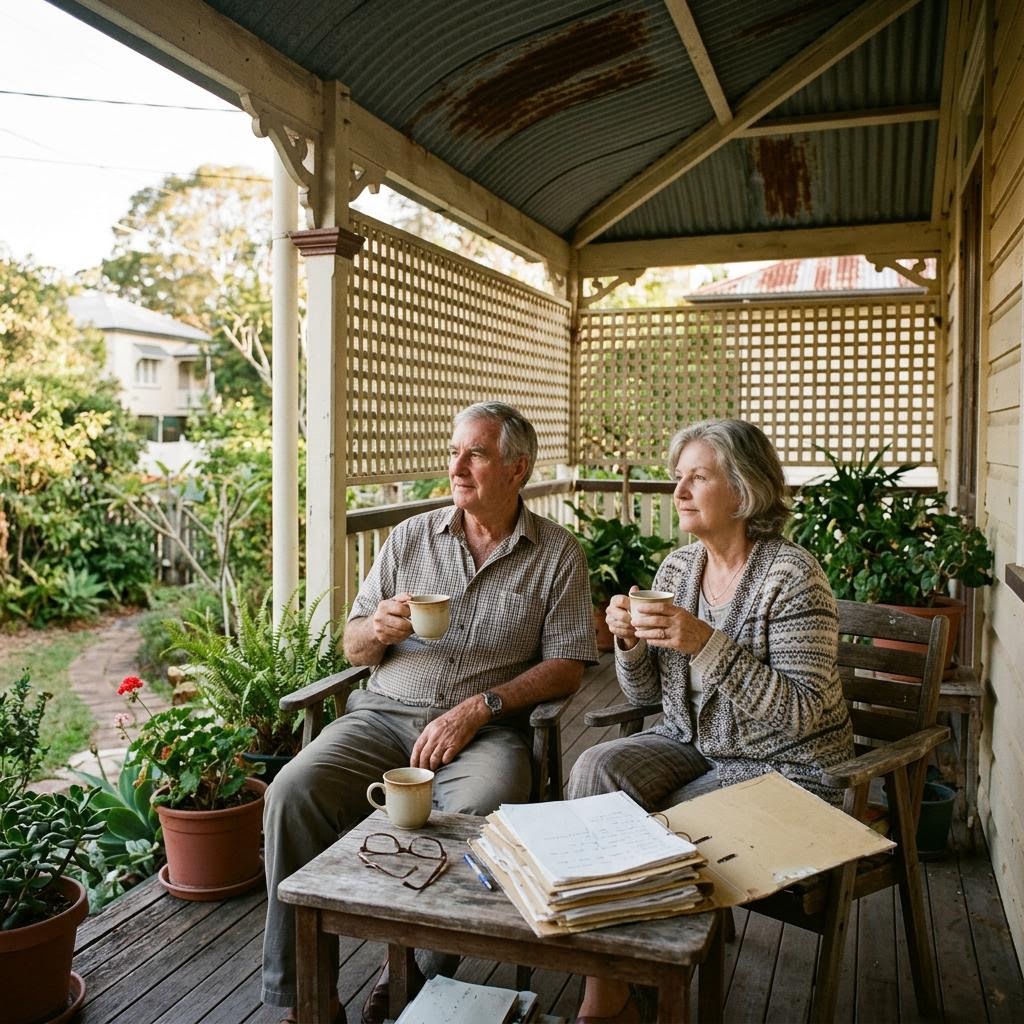
Based on a real discussion shared online by a retired homeowner who realised their retirement planning had become focused almost entirely on preparing for problems instead of preparing for opportunities. Some personal details have been simplified while preserving the circumstances described.
The Story
Whenever Janet updated her retirement budget, she asked herself the same questions.
What if I need expensive medical treatment?
What if the roof needs replacing?
What if inflation keeps rising?
Every scenario involved something going wrong.
One afternoon, her granddaughter asked if she'd be joining the family on a holiday the following year.
Janet smiled politely.
"We'll see."
Later that evening, she looked back through her retirement notes.
Page after page listed possible risks.
Unexpected expenses.
Emergency funds.
Future repairs.
She noticed something surprising.
There wasn't a single page about what she actually hoped retirement would look like.
No travel.
No hobbies.
No family memories.
No personal goals.
She began reading discussions from other retirees to see whether they had experienced the same shift in thinking.
What Actually Happened
The online discussion showed that many retirees had gradually become more focused on protecting themselves from future risks than enjoying the retirement they had worked towards.
Some contributors admitted they had become so cautious they regularly declined opportunities they could comfortably afford.
Others remained committed to preserving every possible dollar because financial security gave them peace of mind.
Several homeowners explained they had researched reverse mortgages because they wanted another option available if unexpected costs arose, allowing them to feel more comfortable spending their retirement income on experiences they valued today.
Others preferred downsizing or relying on investments instead.
The discussion wasn't about spending more.
It was about planning for both possibilities and enjoyment.
Original discussion:
https://www.reddit.com/r/retirement/comments/planning_for_the_best_and_the_worst/
Why They Made That Choice
Janet wasn't trying to become more adventurous.
She wanted her retirement plan to reflect the life she actually hoped to live.
Understanding how home equity might fit into that plan became one part of considering how she could remain financially prepared without allowing uncertainty to dominate every decision.
Lessons Learned
Several themes appeared throughout the discussion.
Retirement planning isn't only about managing risk. Many contributors believed it should also support the experiences that make retirement rewarding.
Financial flexibility can create confidence. Knowing there are several options available often made retirees feel more comfortable pursuing personal goals.
Everyone balances caution differently. Some prioritised preserving wealth, while others focused more heavily on lifestyle.
Review your goals regularly. Retirement priorities often evolve over time.
What Other People Thought
Many retirees recognised Janet's experience.
Some admitted they had spent years preparing for emergencies that never arrived.
Others believed careful planning allowed them to enjoy retirement with greater confidence.
Although opinions differed, contributors broadly agreed that retirement planning works best when it considers both financial resilience and quality of life.
How This Compares to Australia
Many Australian retirees also review their financial plans as retirement progresses and circumstances change.
For eligible homeowners, a reverse mortgage is one option that may provide access to part of the equity in the home while allowing them to continue living there.
Australian reverse mortgages are regulated under the National Consumer Credit Protection framework and include a statutory No Negative Equity Guarantee.
Because interest generally compounds over time unless voluntary repayments are made, homeowners often compare reverse mortgages with downsizing, investments and other retirement strategies to determine which combination best supports both financial security and lifestyle goals.
Key Takeaways
Janet realised she'd become very good at preparing for everything that might go wrong.
She'd almost forgotten to prepare for everything that could go right.
Understanding her retirement options wasn't about encouraging her to spend more.
It was about giving herself permission to plan for the life she'd spent decades working towards.
Story Snapshot
Location: United States
Source: Reddit
Perspective: Retired homeowner
Stage: Reviewing retirement goals
Primary reason being considered: Balance financial security with quality of life in retirement
Outcome: Positive
Biggest concern: Focusing so heavily on future risks that retirement opportunities were being overlooked.
Key lesson: A well-rounded retirement plan considers both financial resilience and the lifestyle a homeowner hopes to enjoy, allowing decisions to reflect both security and personal goals.
Source