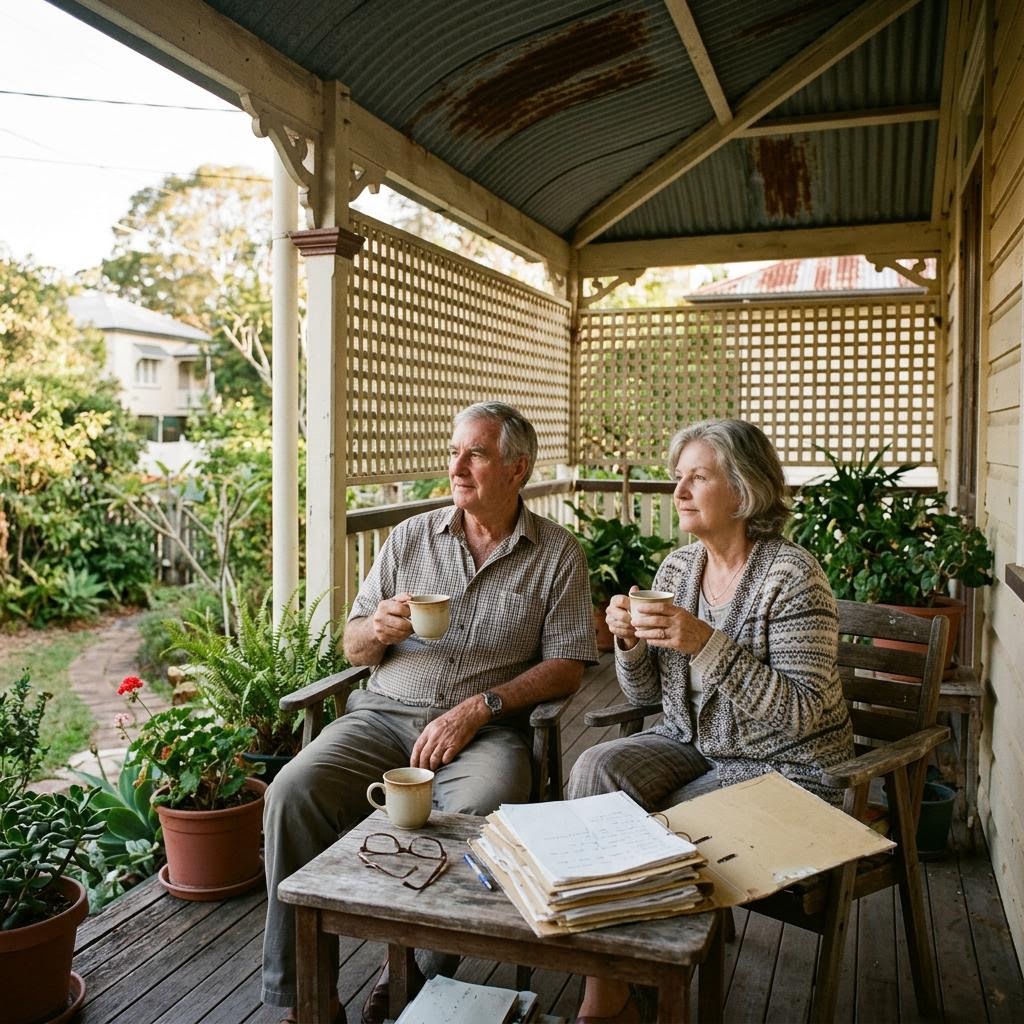
Based on a real discussion shared by an Australian family on Reddit. Some personal details have been simplified for readability while preserving the circumstances described.
The Story
When their mother retired, everything looked manageable on paper.
She owned her home, had no intention of moving and wanted to spend her retirement where she'd built her life. Like many older Australians, the house represented far more than bricks and mortar. It was where birthdays had been celebrated, grandchildren visited after school and decades of memories had accumulated.
Then the numbers slowly began to change.
Living costs crept up. Interest rates rose. Everyday expenses became harder to absorb. The family's biggest concern wasn't that she had debt. It was that she had a reverse mortgage taken out years earlier when rates were much lower.
As interest rates increased, so did the cost of maintaining the loan.
Her adult child began looking for answers.
Could another lender refinance the reverse mortgage? Was there a better option available? Had anyone else been through the same situation?
Those questions led them to an Australian Reddit discussion where they shared their family's circumstances and asked for advice from others who had experience with reverse mortgages.
What Actually Happened
The discussion wasn't about someone regretting taking out a reverse mortgage.
Instead, it highlighted a challenge many borrowers don't think about until years later.
The loan had originally solved a problem. It had allowed the homeowner to remain in her property and access some of the wealth tied up in the home without selling it.
Years later, the economic environment had changed.
Interest rates were higher than when the loan began, and the family wanted to know whether refinancing was even possible.
Many of the responses explained that refinancing a reverse mortgage can be difficult because there are relatively few lenders in Australia offering these products. Whether refinancing is available depends on factors such as the homeowner's age, remaining equity, the lender's policies and the details of the existing loan.
Rather than discovering the reverse mortgage had "gone wrong", the family discovered that the choices available later in the life of the loan can be more limited than they had expected.
Original discussion:
https://www.reddit.com/r/AusFinance/comments/1afwjil/will_another_bank_take_on_a_reverse_mortgage/
Why They Made That Choice
Although every household is different, the family's story reflects one of the most common reasons Australians choose a reverse mortgage.
The homeowner wanted to continue living in her own home.
Selling wasn't the preferred option, and the reverse mortgage had provided access to equity that would otherwise have remained tied up in the property.
For many retirees, that trade-off can feel worthwhile because remaining in familiar surroundings has value beyond the financial calculation.
Years later, however, the family's questions shifted.
The conversation was no longer about accessing money.
It was about managing an existing loan in a different economic environment.
Lessons Learned
One theme appeared repeatedly throughout the discussion.
A reverse mortgage isn't simply a decision made on the day the loan settles. It becomes part of a person's long-term retirement planning.
Several broader observations emerged.
Interest rates matter over time. Even though reverse mortgages generally don't require regular repayments while the borrower continues to meet the loan conditions, changes in interest rates can affect how quickly the loan balance grows.
Refinancing options may be limited. Reverse mortgages remain a specialist lending product in Australia, meaning borrowers may have fewer alternatives than someone with a standard home loan.
Family conversations are valuable. Adult children are often involved many years after the loan begins. Understanding how the loan works before decisions need to be made can reduce confusion later.
Long-term flexibility deserves consideration. Questions that seem unimportant when the loan is established may become significant years down the track as personal circumstances, health or the economy change.
What Other People Thought
The discussion produced a range of perspectives rather than a single conclusion.
Some commenters explained that reverse mortgages can be an entirely reasonable solution for retirees who want to remain in their homes and have few practical alternatives.
Others pointed out that borrowers should expect fewer refinancing opportunities than with traditional mortgages.
Several contributors encouraged speaking directly with lenders or specialist brokers familiar with reverse mortgages rather than assuming every bank offers comparable products.
The overall tone was practical rather than alarmist. Most people recognised that the product had solved an immediate need, while also acknowledging that circumstances can change over the life of the loan.
How This Compares to Australia
This story reflects the Australian reverse mortgage market.
Australian reverse mortgages are regulated under the National Consumer Credit Protection Act and include a statutory No Negative Equity Guarantee. This means borrowers (or their estates) cannot generally end up owing more than the property's market value when it is sold, provided the loan falls under the relevant legislation.
That safeguard is important, but it doesn't remove every consideration.
Borrowers still need to understand how interest compounds over time, how accessing equity today may reduce equity available later, and what options may exist if circumstances change years into the loan.
Every reverse mortgage product has its own features, eligibility criteria and costs, which is why experiences can differ from one borrower to another.
Key Takeaways
This family's experience wasn't a story about disaster.
It was a reminder that the questions people ask often change over time.
Initially, the reverse mortgage achieved exactly what it was intended to do. It allowed the homeowner to remain in her home and unlock some of the wealth she'd built over many years.
Later, the family's focus shifted from "Should we take out a reverse mortgage?" to "What options do we have now?"
That change in perspective is common.
Understanding how a reverse mortgage may fit into both today's circumstances and tomorrow's possibilities can help families ask better questions before making any decisions.
Story Snapshot
Location: Australia
Source: Reddit (AusFinance)
Perspective: Adult child of borrower
Stage: Existing reverse mortgage
Primary reason for the loan: Remain in the family home while accessing equity
Outcome: Mixed
Biggest concern: Rising interest rates and limited refinancing options
Key lesson: A reverse mortgage is a long-term financial arrangement, so it's important to understand not only why the loan is being taken today, but what options may be available years into the future.
Source