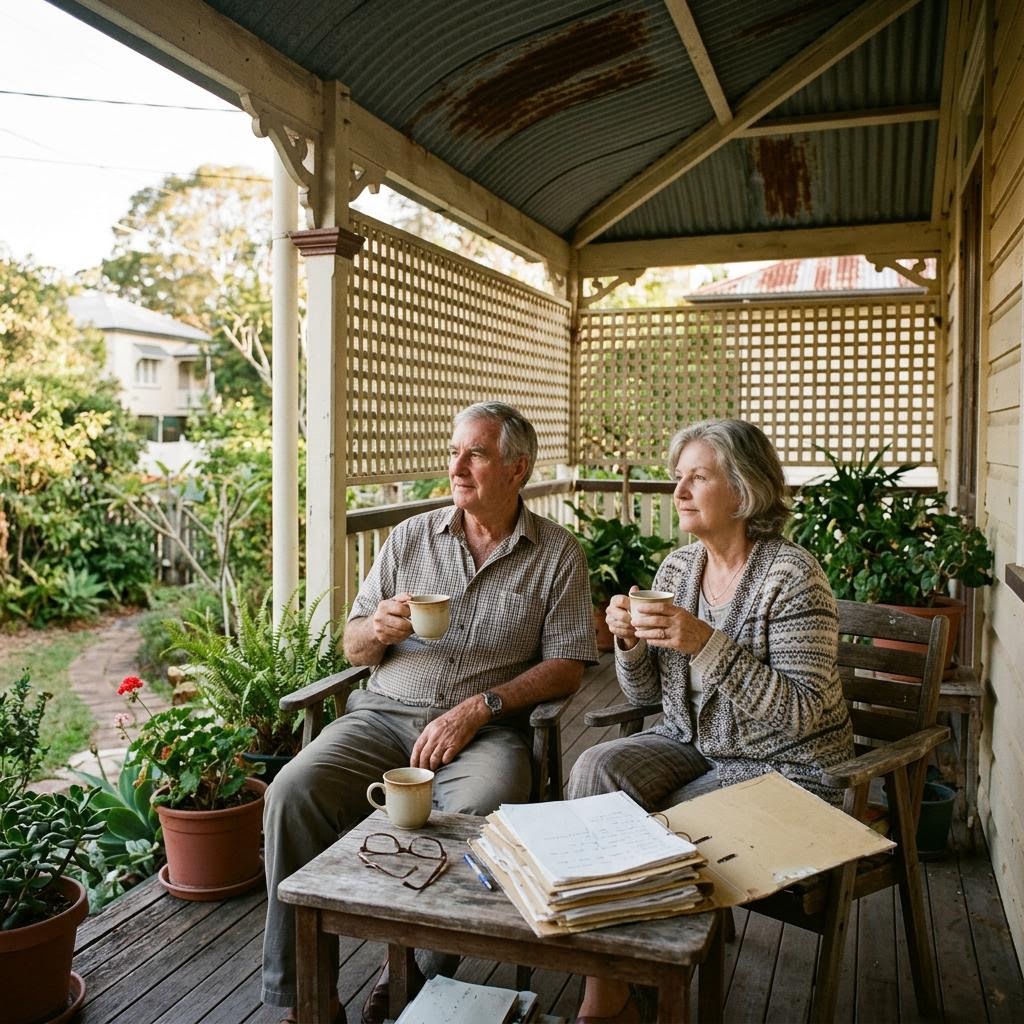
Based on a real discussion shared online by family members trying to keep a relative's home after his death. Some personal details have been simplified while preserving the circumstances described.
The Story
When Uncle John passed away, everyone assumed they knew what would happen.
The house would become part of the estate, the family would decide whether to sell it or keep it, and life would move on.
Then they discovered there was a reverse mortgage.
One cousin immediately thought the house belonged to the bank.
Another believed the family would have to sell within days.
A third wondered whether they could simply pay out the loan and keep the property.
Nobody was certain.
The house meant a great deal to the family. It had been the place where birthdays, barbecues and Christmas gatherings were held for decades.
If there was a way to keep it, they wanted to understand their options.
One family member posted the situation online, hoping someone who had already been through the process could explain what they should expect.
What Actually Happened
The replies were practical and largely reassuring.
Several contributors explained that the family's first step should be finding out two key numbers:
- the property's current market value
- the outstanding reverse mortgage balance
Only then could they work out whether keeping the home was financially realistic.
Some commenters had refinanced inherited properties to repay the reverse mortgage.
Others had chosen to sell because it made more financial sense.
A few pointed out that families sometimes become emotionally attached to a property without considering the ongoing costs of ownership, maintenance and financing.
The discussion wasn't really about whether the family should keep the house.
It was about understanding whether they could.
Original discussion:
https://www.reddit.com/r/RealEstate/comments/1hm46cy/can_we_pay_off_uncles_reverse_mortgage_and_keep/
Why They Made That Choice
Uncle John had taken out the reverse mortgage years earlier to continue living independently in the home he loved.
At the time, it achieved exactly what he wanted.
He remained in familiar surroundings and accessed some of the equity he'd built over many decades.
The family's challenge arose only after his death.
They weren't questioning why he'd taken the loan.
They were trying to understand what choices remained once it became repayable.
Lessons Learned
Several themes appeared consistently throughout the discussion.
Separate emotion from the numbers. Wanting to keep a family home is understandable, but understanding its financial position is the first step.
Know the property's equity. The amount still owing compared with the home's value largely determines what options may be available.
Keeping a home involves more than repaying the loan. Future maintenance, insurance, rates and financing all become part of the decision.
The reverse mortgage doesn't necessarily remove choice. Several contributors explained that families often have options once they understand the property's financial position.
What Other People Thought
Many commenters had managed similar situations after the death of a parent or relative.
Some successfully refinanced and retained the property.
Others realised that selling was the more practical outcome after considering the overall financial commitment.
A recurring observation appeared throughout the discussion.
People often become attached to the idea of keeping a family home before understanding what owning it will actually involve.
The contributors encouraged the family to gather the facts first and make an informed decision afterwards.
How This Compares to Australia
Australian families can face similar questions when a reverse mortgage becomes repayable after the borrower permanently leaves the home or passes away.
The estate will generally work with the lender to settle the outstanding balance, and depending on the circumstances, family members may consider selling the property or exploring other ways to repay the loan.
Australian reverse mortgages covered by the relevant legislation include a statutory No Negative Equity Guarantee, meaning borrowers or their estates generally cannot owe more than the property's market value when it is sold.
Exactly what options are available depends on the individual circumstances, the terms of the loan and the financial position of the estate.
Key Takeaways
For this family, the reverse mortgage wasn't the end of the story.
It was the beginning of a different conversation.
Rather than asking whether they could emotionally let go of the family home, they first needed to understand whether keeping it was financially achievable.
Once they had the facts, the decision became much clearer.
For many families, gathering accurate information before making emotional decisions is one of the most valuable lessons a reverse mortgage can teach.
Story Snapshot
Location: United States
Source: Reddit
Perspective: Family member managing a relative's estate
Stage: Reverse mortgage after the borrower's death
Primary reason for the original loan: Remain in the family home during retirement
Outcome: Unresolved
Biggest concern: Whether the family could repay the reverse mortgage and retain the property
Key lesson: Before deciding whether to keep an inherited home, families often benefit from understanding the property's value, the outstanding loan balance and the practical responsibilities of ownership.
Source