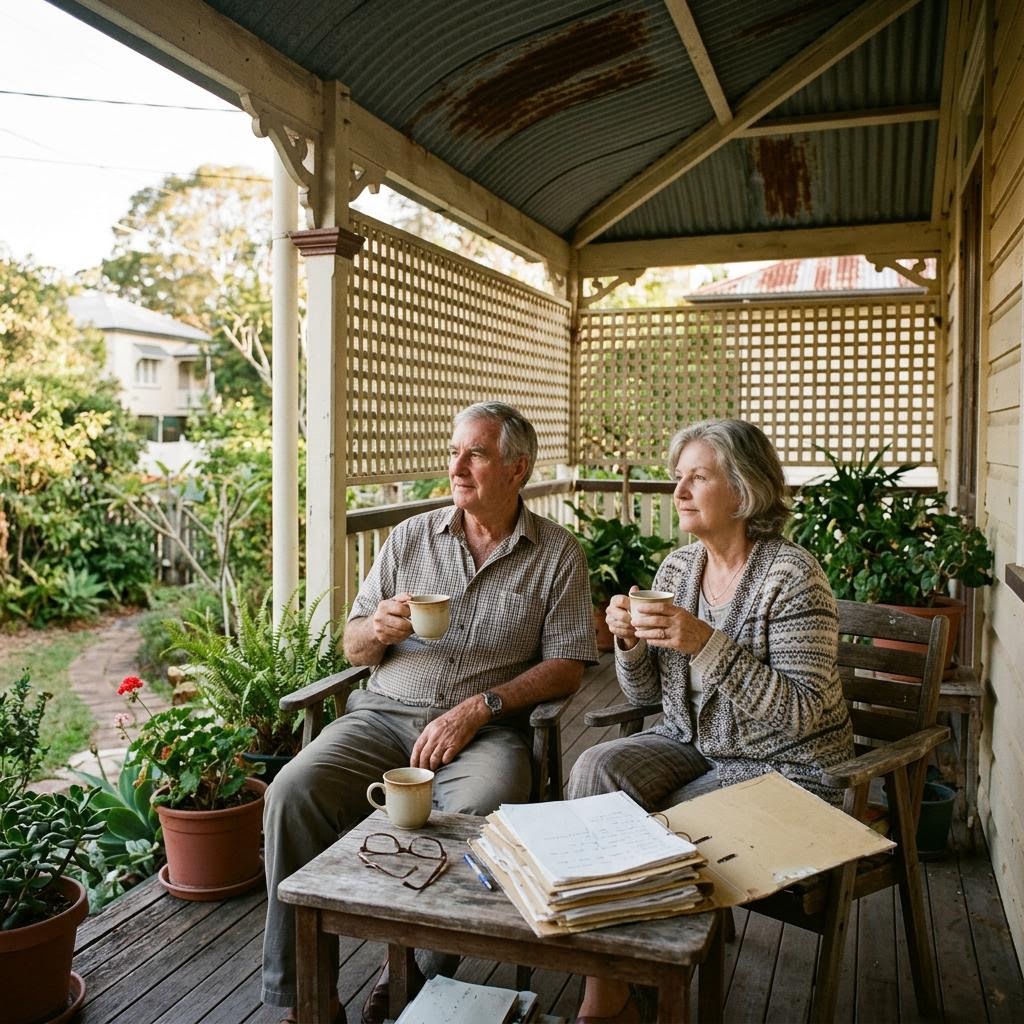
Based on a real discussion shared online by a family supporting an elderly parent after the death of his spouse. Some personal details have been simplified while preserving the circumstances described.
The Story
The reverse mortgage wasn't the family's biggest concern.Dad's health was.
After Mum passed away, everything became more complicated.
Dad was still living in the family home, but his health had deteriorated significantly. He needed more support, found paperwork increasingly difficult to manage and relied heavily on his children to organise appointments, bills and everyday decisions.
While sorting through the family's finances, the children realised there was a reverse mortgage over the house.
Immediately, new questions emerged.
Could Dad continue living there?
Would the lender force the property to be sold?
What happened if he eventually needed permanent residential care?
The family didn't want to make assumptions, so one of the children described the situation in an online finance community, hoping others had experienced something similar.
What Actually Happened
The responses quickly shifted the family's attention.Most contributors explained that the reverse mortgage itself wasn't necessarily the immediate issue.
Instead, they encouraged the family to understand the specific terms of the loan and Dad's circumstances.
Several people who had helped ageing parents through similar situations explained that the important questions included:
- Was Dad an eligible borrower under the loan?
- Was he still living in the property?
- Had any circumstances changed that might affect the loan's conditions?
Others reminded the family that decisions about ongoing care, powers of attorney and estate planning often become intertwined with financial arrangements such as reverse mortgages.
Rather than treating the reverse mortgage as the problem, many commenters viewed it as one part of a much broader conversation about supporting an ageing parent.
Original discussion:
Why They Made That Choice
Years earlier, the reverse mortgage had allowed Mum and Dad to remain together in the home they loved.It had provided financial flexibility without requiring them to move away from familiar neighbours, healthcare providers and community connections.
By the time the family became involved, the original purpose of the loan had largely been achieved.
The challenge had changed.
The conversation was no longer about accessing equity.
It was about supporting an ageing parent whose personal circumstances had evolved considerably since the loan was first established.
Lessons Learned
Several valuable themes emerged throughout the discussion.Financial products don't exist in isolation. Health, family support, legal arrangements and housing needs often become closely connected later in retirement.
Review long-term financial arrangements as circumstances change. A strategy that worked well years earlier may need to be revisited as personal needs evolve.
Understanding the loan is only one part of the process. Families often need to consider broader issues such as ongoing care, legal authority to make decisions and future housing arrangements.