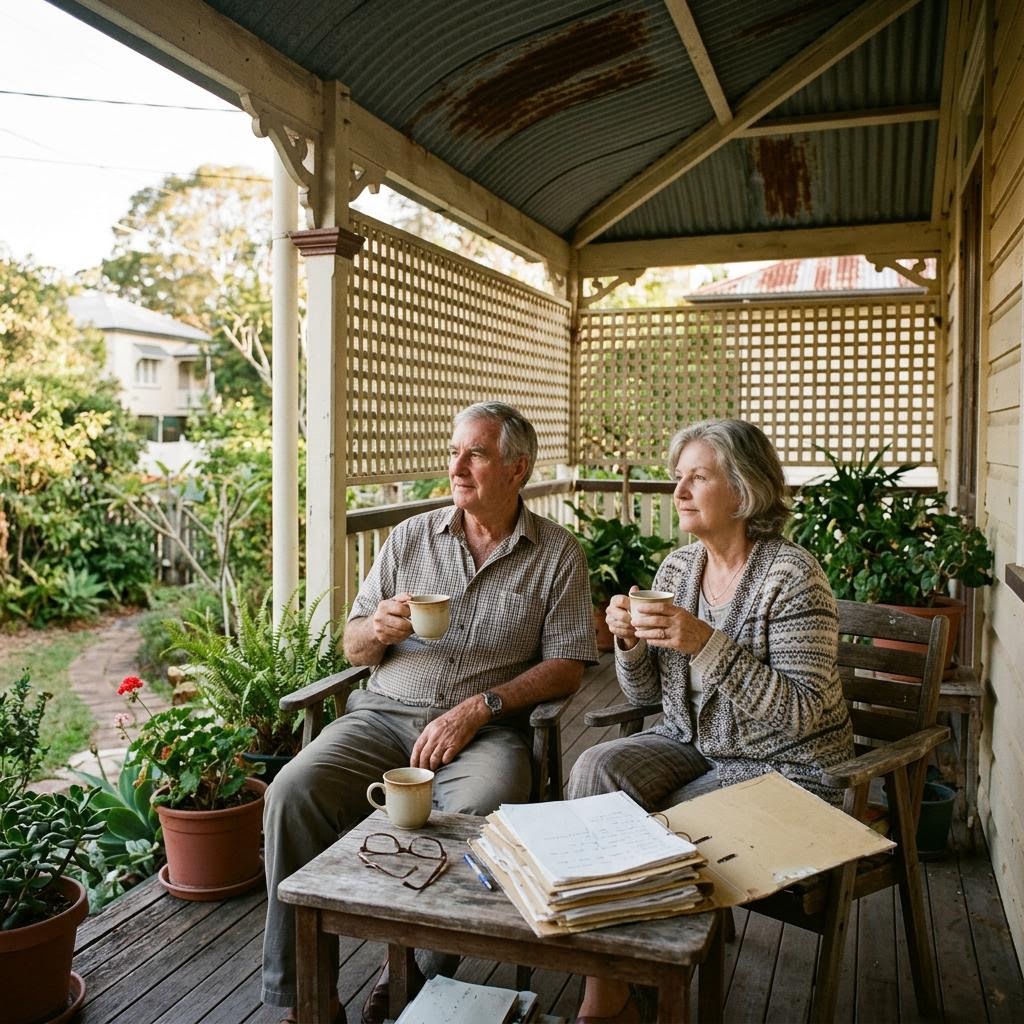
Based on a real discussion shared online by a retired grandmother exploring ways to remain near her family without selling her long-term home. Some personal details have been simplified while preserving the circumstances described.
The Story
Every Wednesday afternoon, Linda's house became the busiest place on the street.
The grandchildren would burst through the front door after school.
Homework covered the dining table.
The kitchen filled with the smell of biscuits.
By dinner time, the house was noisy again in the best possible way.
Those afternoons had quietly become the highlight of her retirement.
Then the bills began creeping higher.
Insurance increased.
The roof needed repairs.
The old air conditioner finally gave up.
Her daughter suggested downsizing.
"It might make things easier."
Linda understood the logic.
A smaller home would probably cost less to maintain.
The problem was that it would also mean moving almost an hour away.
Those Wednesday afternoons would disappear.
Rather than making a quick decision, Linda searched online for people who had faced similar choices and found discussions about reverse mortgages alongside other retirement options.
What Actually Happened
The discussion quickly shifted away from numbers.
Many contributors described how family, friendships and daily routines had become increasingly important during retirement.
Several retirees said they had downsized and happily created new routines.
Others explained they had explored reverse mortgages because remaining close to children and grandchildren had become one of their highest priorities.
Some ultimately chose to access home equity.
Others decided moving was still the better long-term option.
The discussion wasn't about recommending one path.
It was about recognising that retirement decisions often begin with relationships rather than finances.
Original discussion:
https://www.reddit.com/r/retirement/comments/staying_close_to_family_in_retirement/
Why They Made That Choice
Linda wasn't trying to hold onto a house.
She was trying to hold onto a lifestyle.
Living nearby meant she could help with school pickups, attend weekend sport and spend regular time with her grandchildren.
Understanding whether a reverse mortgage might help her remain in the area became one of several options she wanted to compare before making any decision.
Lessons Learned
Several themes emerged throughout the discussion.
Location has value beyond property prices. Living close to family can play a significant role in retirement satisfaction.
Retirement priorities evolve. Many contributors said relationships became increasingly important as they grew older.
Housing decisions affect more than finances. Moving can reshape family routines, social connections and everyday life.
Exploring options creates flexibility. Contributors encouraged comparing different approaches before making permanent decisions.
What Other People Thought
Many retirees shared similar experiences.
Some had moved closer to children and grandchildren after retiring.
Others had stayed where they were because family had moved closer to them.
Several contributors said the best decisions balanced financial considerations with the relationships that gave retirement purpose.
One theme appeared repeatedly.
The value of living near the people you love doesn't always appear in a financial calculation.
How This Compares to Australia
Many Australian retirees also weigh lifestyle and family connections alongside financial considerations when reviewing their housing options.
For eligible homeowners, a reverse mortgage is one option that may provide access to part of the equity in the home while allowing them to continue living there.
Australian reverse mortgages are regulated under the National Consumer Credit Protection framework and include a statutory No Negative Equity Guarantee.
Because every household's priorities differ, homeowners often compare reverse mortgages with downsizing and other retirement strategies to determine which approach best supports both their financial position and the lifestyle they hope to maintain.
Key Takeaways
Linda started by worrying about rising household expenses.
She finished by recognising what she was really trying to protect.
It wasn't the house.
It was Wednesday afternoons with her grandchildren.
Understanding that made every financial option easier to evaluate.
Story Snapshot
Location: United States
Source: Reddit
Perspective: Retired homeowner
Stage: Comparing retirement options
Primary reason being considered: Remain close to family while improving financial flexibility
Outcome: Unresolved
Biggest concern: Whether moving away to reduce expenses would mean sacrificing valuable family connections.
Key lesson: Housing decisions in retirement often involve balancing financial outcomes with the relationships and routines that contribute to quality of life.
Source