Based on a real discussion shared online by a family trying to decide whether a reverse mortgage was the right solution. Some personal details have been simplified while preserving the circumstances described.
The Story
It wasn't money that divided the family.
It was fear.
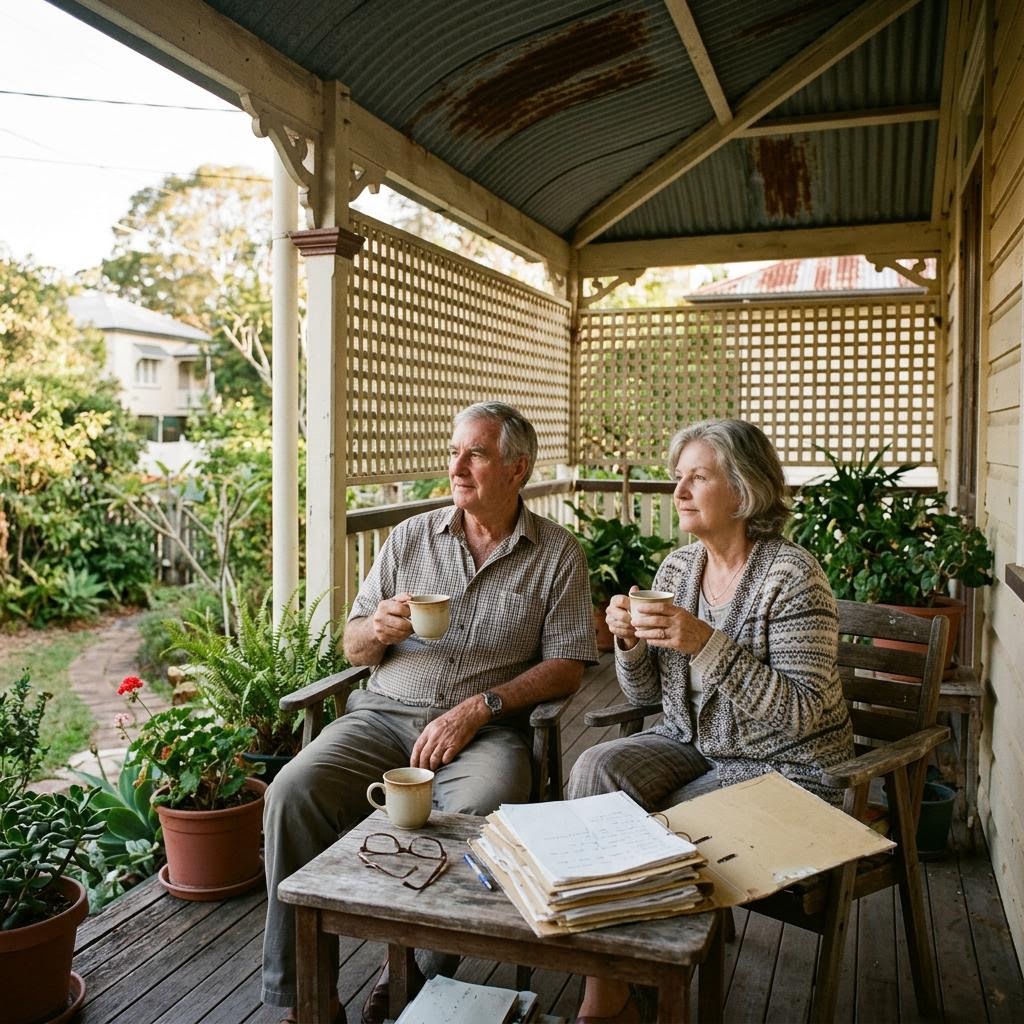
Dad had spent weeks researching reverse mortgages. He believed he'd found a practical way to ease the financial pressure they were feeling in retirement.
Mum wasn't convinced.
Every advertisement she'd seen over the years had left her suspicious. She worried about losing the house, leaving nothing for the children and signing something she didn't fully understand.
Their conversations kept ending in the same place.
Dad would explain why he thought it made sense.
Mum would say she didn't feel comfortable.
Eventually, one of their children stepped in to help.
Rather than trying to convince either parent, they searched for real stories from families who had faced the same decision.
That search led them to an online discussion where people shared experiences that weren't trying to sell a product or dismiss it outright.
What Actually Happened
The online responses reflected exactly what the family was experiencing.
Some people described reverse mortgages as one of the best decisions their parents had made because they were able to remain comfortably in their own home without constant financial stress.
Others said their families ultimately chose a different path after comparing alternatives such as downsizing or selling.
Many contributors encouraged the couple not to rush.
Instead, they suggested understanding how the loan worked, asking questions and comparing it with other realistic options before making a decision.
By the end of the discussion, nobody claimed a reverse mortgage was perfect.
What became clear was that fear often comes from not understanding how the loan actually operates.
Original discussion:
https://www.reddit.com/r/personalfinance/comments/1o7h3ig/terrified_of_reverse_mortgage_but_husband_is/
Why They Made That Choice
The couple weren't arguing about interest rates or loan features.
They were weighing two very different priorities.
Dad wanted greater financial flexibility so they could continue enjoying retirement without feeling constrained by rising living costs.
Mum wanted certainty.
She wanted to know they wouldn't accidentally jeopardise the home they'd spent decades paying off.
Both concerns were understandable.
Their challenge wasn't choosing between a good option and a bad one.
It was working out which option best reflected their shared retirement goals.
Lessons Learned
Several important themes emerged from the discussion.
Financial decisions often involve emotion as much as mathematics. A loan that looks reasonable on paper can still feel uncomfortable if someone doesn't understand it.
Both partners need confidence in the decision. Retirement planning usually works best when everyone understands the potential benefits, risks and long-term implications.
Comparing alternatives creates perspective. Several commenters encouraged looking at downsizing, other sources of income or different borrowing options alongside a reverse mortgage.
Taking time can improve decisions. Families repeatedly suggested slowing the process down until both people felt they understood the available choices.
What Other People Thought
The discussion remained respectful throughout.
Some contributors explained that their initial fears disappeared once they better understood how reverse mortgages worked.
Others admitted they never became comfortable with the idea and chose different solutions instead.
Several people observed that reverse mortgages often carry a reputation shaped by decades-old advertising or stories that don't necessarily reflect modern products.
One comment summed up the conversation well.
"Make the decision because you understand it, not because you're afraid of it."
How This Compares to Australia
Australian homeowners considering a reverse mortgage often involve partners, adult children or trusted advisers in the decision-making process.
Reverse mortgages are one of several options available to some retirees seeking to access home equity while remaining in their home.
Australian reverse mortgages are regulated under the National Consumer Credit Protection framework and, for eligible loans, include a statutory No Negative Equity Guarantee.
Although borrowers generally retain ownership of their home while meeting the loan conditions, interest typically compounds over time unless voluntary repayments are made. Understanding how this may affect future equity can help homeowners compare a reverse mortgage with other available options.
Key Takeaways
This family's biggest obstacle wasn't the reverse mortgage itself.
It was that each person was answering a different question.
Dad was asking how they could improve retirement cash flow.
Mum was asking how they could protect the home they loved.
Once they recognised that both concerns mattered, the discussion became less about convincing each other and more about understanding their options.
Whether they ultimately chose a reverse mortgage or another path, they were making the decision together rather than reacting to fear alone.
Story Snapshot
Location: United States
Source: Reddit
Perspective: Adult child observing parents' decision
Stage: Considering a reverse mortgage
Primary reason being considered: Improve retirement cash flow while remaining in the family home
Outcome: Unresolved
Biggest concern: One partner wanted the financial flexibility of a reverse mortgage while the other feared the long-term consequences.
Key lesson: Understanding how a reverse mortgage works can help families move from emotionally driven conversations to more informed discussions about retirement goals and available options.
Source