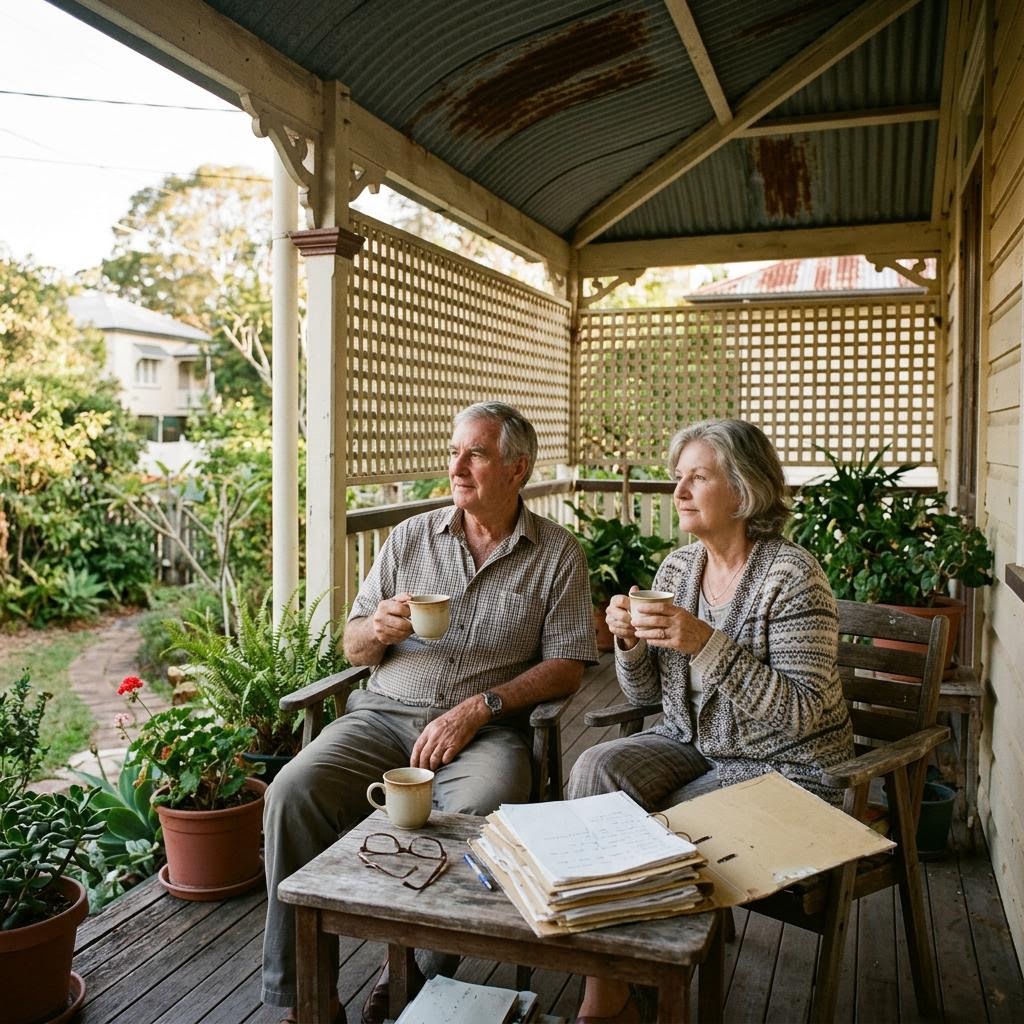
Based on a real discussion among older homeowners considering reverse mortgages. Contributors shared personal experiences, practical concerns and alternative ways of funding retirement. Some personal details have been simplified while preserving the themes discussed.
The Story
Peter had reached the point where retirement was no longer something he was planning.
He was living it.
His home had become his biggest asset, but most of his wealth was locked inside its walls.
His pension covered the essentials.
Just.
The problem wasn't today.
It was the years ahead.
What if the roof needed replacing?
What if his health changed?
What if everyday living became more expensive?
Friends had mentioned reverse mortgages, but the opinions couldn't have been more different.
One neighbour called it the best decision they'd made.
Another said he'd never consider one.
Rather than relying on second-hand opinions, Peter joined an online discussion among people his own age.
If anyone understood the realities of retirement, it would be people already living it.
What Actually Happened
The discussion brought together homeowners over 60 who were considering reverse mortgages alongside others who had already researched or used them.
Many contributors said the greatest benefit was being able to remain in the family home without taking on compulsory monthly mortgage repayments.
Several believed the product made sense for homeowners who expected to stay in their property for the rest of their lives and wanted greater financial flexibility.
Others encouraged caution.
Commenters discussed the long-term impact of compound interest, the effect on future inheritance and the importance of understanding all available alternatives before making a decision.
Some suggested downsizing or using other savings first.
Others argued that the family home existed to support the homeowner during retirement, not simply to maximise an estate.
While opinions differed, the discussion remained practical rather than emotional.
Most contributors agreed that understanding the product was more important than accepting blanket advice for or against it.
Why They Made That Choice
The homeowners weren't looking for extra spending money.
They were looking for peace of mind.
For many, the ability to fund future home repairs, healthcare or everyday living expenses without leaving the home they loved was the primary attraction.
The reverse mortgage was seen as one possible solution among several retirement planning options.
Lessons Learned
Several themes appeared consistently throughout the discussion.
Retirement needs change over time. Many contributors viewed reverse mortgages as a way of creating flexibility rather than solving an immediate financial crisis.
Understanding the trade-offs is essential. Most commenters agreed that borrowers should understand how interest compounds and how the loan may affect future equity.
The family home serves different purposes. Some prioritised ageing in place, while others focused more heavily on preserving an inheritance.
Comparing alternatives builds confidence. Contributors encouraged reviewing downsizing, savings and other funding options alongside reverse mortgages before deciding.
What Other People Thought
The discussion reflected the diversity of retirement itself.
Some homeowners felt a reverse mortgage suited their circumstances perfectly.
Others preferred different approaches.
Despite those differences, there was broad agreement that homeowners should base their decision on their own financial needs and retirement goals rather than relying on common myths or fear.
How This Compares to Australia
Many Australian retirees ask the same questions as they approach or move through retirement.
For eligible homeowners, a reverse mortgage may provide access to part of the equity in their home while allowing them to continue living there.
Australian reverse mortgages are regulated under the National Consumer Credit Protection Act and include a statutory No Negative Equity Guarantee, helping protect borrowers from owing more than the eventual sale value of their home.
Because every retirement is different, many Australians compare reverse mortgages alongside downsizing, superannuation, investments and other funding options before making a long-term decision.
Key Takeaways
Peter wasn't searching for someone to make the decision for him.
He wanted to hear from people who understood what retirement actually looked like.
The discussion reminded him that reverse mortgages aren't about finding a universally right answer.
They're about finding the option that best supports the retirement an individual homeowner wants to live.
Story Snapshot
Location: United States
Source: Reddit
Perspective: Older homeowners
Stage: Considering a reverse mortgage
Primary reason being considered: Improve retirement flexibility while remaining in the family home
Outcome: Mixed
Biggest concern: Whether the benefits of accessing home equity outweigh the long-term reduction in remaining equity.
Key lesson: Older homeowners often find the most value by comparing reverse mortgages alongside other retirement strategies and understanding the long-term consequences before making a decision.
Source