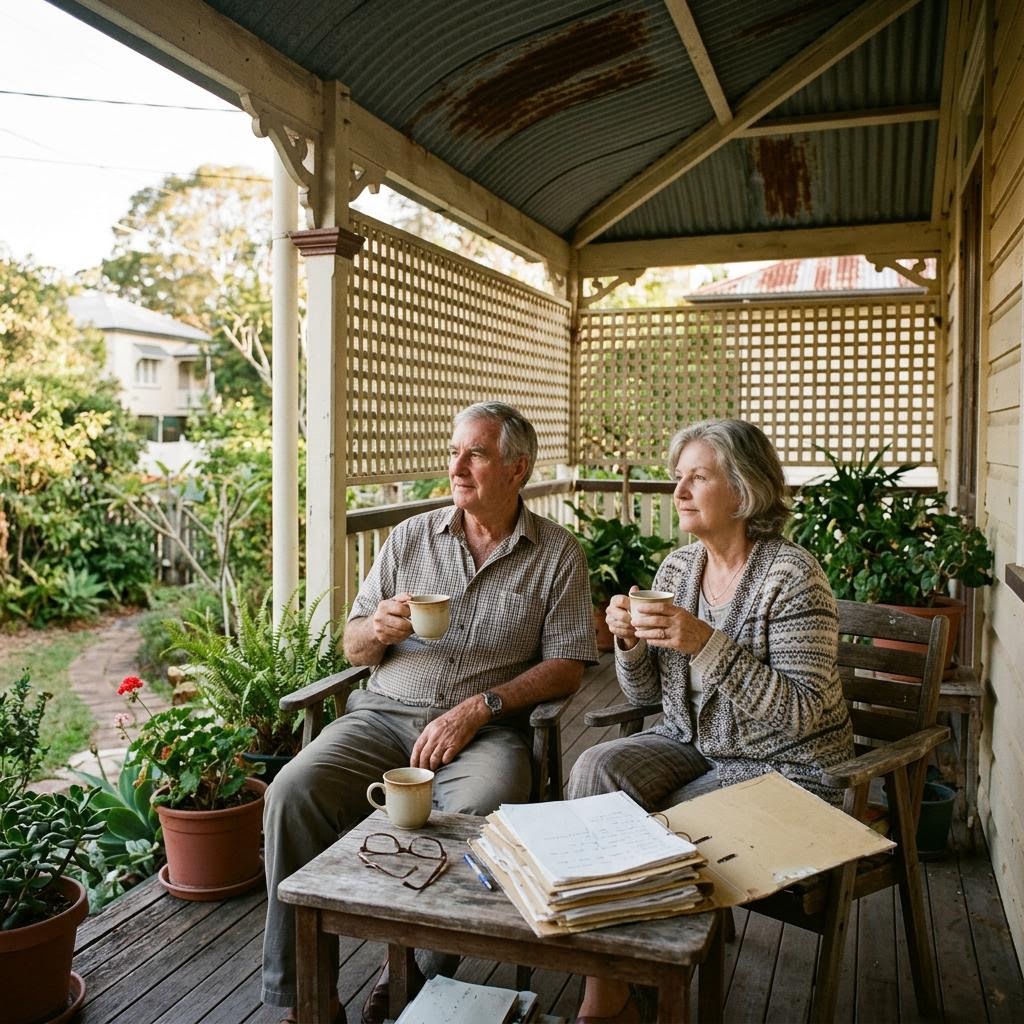
Based on a real discussion where a family member hoped to purchase their great-grandmother's home after events involving foreclosure and a reverse mortgage. Some personal details have been simplified while preserving the circumstances described.
The Story
My great-grandmother's house wasn't just another property.
It was where birthdays had been celebrated.
Where family photos had been taken.
Where generations had gathered around the kitchen table.
When her health declined, the family knew difficult decisions were coming.
What nobody expected was trying to work out how to keep the home in the family after a reverse mortgage and foreclosure-related events.
I wanted to buy it myself.
Not because it was a bargain.
Because it meant something.
The problem was that I didn't know whether that was even possible.
Would the lender sell it to me?
Would it have to go to auction?
Had the family already missed their chance?
What Actually Happened
The discussion centred on a family member exploring whether they could purchase their great-grandmother's home after the reverse mortgage had progressed to a stage where foreclosure proceedings had become involved.
Commenters explained that timing was likely to be the biggest factor.
If the estate or family still had control of the property, there could be opportunities to purchase it by repaying the outstanding reverse mortgage through a conventional home loan or private funds.
If the foreclosure process had already advanced significantly or ownership had transferred, the options could become much more limited.
Several contributors encouraged the poster to determine exactly who currently owned the property before making plans.
Others suggested speaking with the lender, the estate representative or the lawyer handling the matter to understand whether a private purchase was still possible.
Many commenters reminded the family that, while the emotional attachment to the home was understandable, the purchase still needed to make financial sense.
Why They Wanted to Buy the House
This wasn't simply an investment opportunity.
It was a chance to preserve a piece of family history.
Owning the home meant keeping memories, traditions and a connection to previous generations.
The reverse mortgage wasn't seen as an obstacle to resent.
It was simply one part of understanding how ownership could potentially remain within the family.
Lessons Learned
Several themes appeared throughout the discussion.
Timing matters. The further a property progresses through foreclosure or estate administration, the fewer options may remain.
Understand who controls the property. Before planning a purchase, it's important to know whether the estate, the lender or another party currently has authority over the home.
Emotion shouldn't replace due diligence. Family homes carry sentimental value, but buyers still need to understand market value, financing and long-term affordability.
Communication is essential. Early discussions with the lender, estate representatives and legal advisers may reveal options that aren't immediately obvious.
What Other People Thought
Many commenters understood why the poster wanted to keep the property within the family.
Some shared stories of purchasing homes from parents or grandparents after estates were settled.
Others cautioned that reverse mortgages and foreclosure timelines can create legal and practical hurdles that need to be understood before making offers.
The overall advice focused on gathering accurate information first and making decisions based on both the family's emotional connection and the financial reality.
How This Compares to Australia
Australian families can face similar situations when a home subject to a reverse mortgage forms part of an estate.
Where beneficiaries wish to retain the property, they may be able to repay the outstanding reverse mortgage through refinancing or other available funds, depending on the circumstances.
If the property has already progressed further through enforcement or sale processes, the available options may become more limited.
Understanding the loan balance, the property's current value and who has legal authority over the property is often the first step before deciding whether purchasing the home is practical.
Key Takeaways
The family wasn't trying to beat the system.
They were trying to keep a home that meant something to them.
The discussion showed that sentiment alone can't determine the outcome, but neither should it be ignored.
With the right information and timing, some families may still have opportunities to retain a much-loved home, even when a reverse mortgage is involved.
Story Snapshot
Location: United States
Source: Reddit
Perspective: Great-grandchild
Stage: Attempting to purchase an inherited family home
Primary reason being considered: Keep a reverse-mortgaged family home within the family after foreclosure-related events
Outcome: Unresolved
Biggest concern: Whether it was still possible to buy the property before the reverse mortgage and foreclosure process permanently removed that opportunity.
Key lesson: When a reverse-mortgaged property becomes part of an estate or foreclosure process, understanding ownership, timing and available financing options can make the difference between retaining a cherished family home and losing the opportunity altogether.
Source