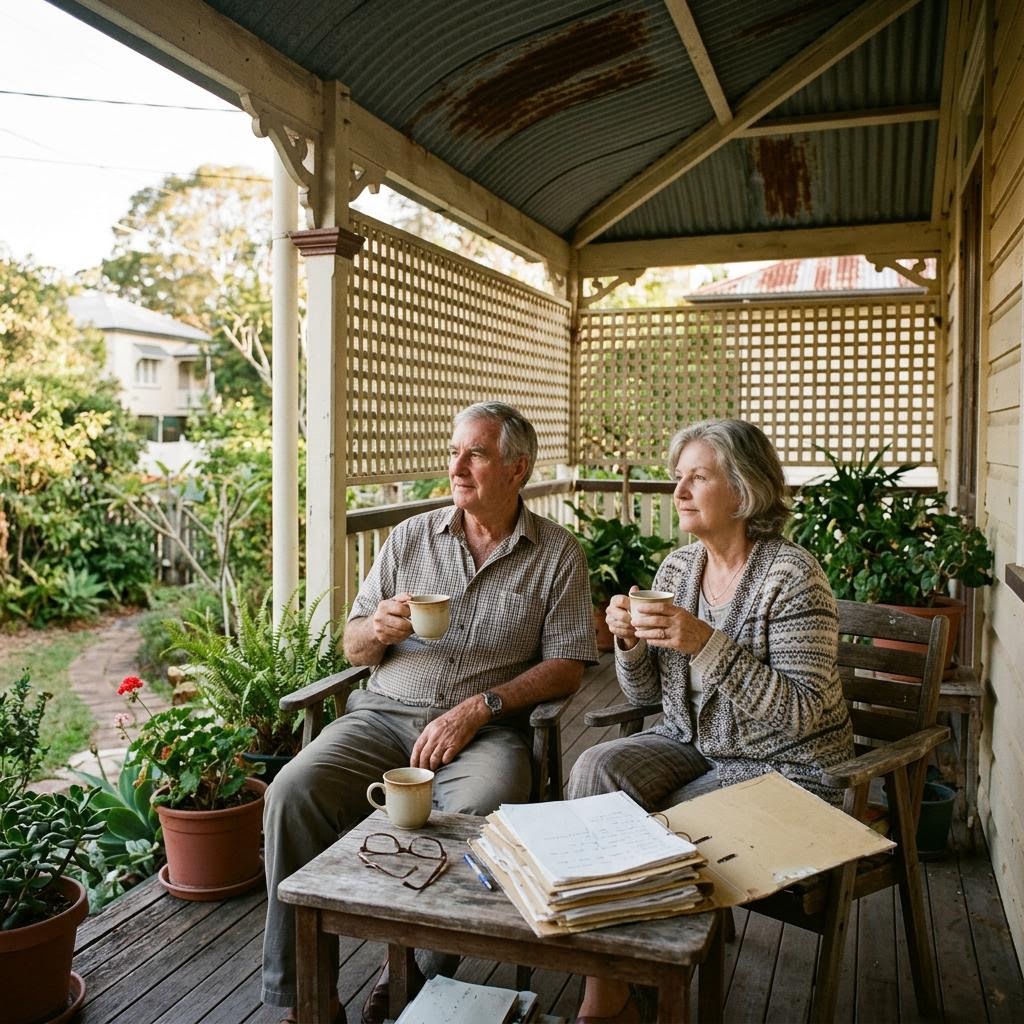
Based on a real discussion shared online by a retired homeowner weighing the long-term consequences of moving versus remaining in the family home. Some personal details have been simplified while preserving the circumstances described.
The Story
George had already moved once.
After the children left home, he and his wife sold the large family house and bought something smaller.
It felt like the right decision at the time.
The mortgage disappeared.
The garden became manageable.
Life became simpler.
Then, nearly ten years later, retirement brought another question.
Rising living costs were beginning to stretch the household budget.
Friends suggested downsizing again.
George wasn't convinced.
"I don't really want to move twice."
His local community had become home.
He knew the neighbours.
His GP was only a few streets away.
His bowls club was five minutes down the road.
The idea of packing up again felt exhausting.
Instead of assuming another move was inevitable, George began researching alternatives and found online discussions where retirees compared downsizing with reverse mortgages and other retirement strategies.
What Actually Happened
The discussion showed that many retirees had reached a similar crossroads.
Some contributors said moving again had dramatically improved their retirement by lowering expenses and reducing home maintenance.
Others felt another move would mean giving up a community they had spent years rebuilding after their first downsizing.
Several homeowners explained they had researched reverse mortgages because they wanted to understand whether remaining where they were might be possible without immediately selling again.
Others ultimately concluded another move still suited their circumstances best.
No single option emerged as the clear winner.
Instead, contributors encouraged retirees to compare the long-term lifestyle implications alongside the financial ones.
Original discussion:
https://www.reddit.com/r/retirement/comments/downsizing_again_in_retirement/
Why They Made That Choice
George wasn't trying to avoid change.
He simply wanted his next housing decision to last.
If he moved again, he hoped it would be the final move of his retirement.
Before making that decision, he wanted to understand every realistic option available, including whether accessing some of the equity already built into his home could provide additional flexibility.
Lessons Learned
Several themes appeared consistently throughout the discussion.
Moving carries costs beyond the sale price. Relocating often involves rebuilding routines, healthcare networks and community connections.
Long-term planning matters. Many contributors encouraged thinking beyond today's financial situation and considering how retirement needs might evolve.
Retirement decisions are rarely purely financial. Lifestyle, health and social connections frequently influenced housing choices.
Comparing options creates confidence. Homeowners often felt more comfortable after understanding the strengths and limitations of several different approaches.
What Other People Thought
Many retirees said they had underestimated how emotionally demanding moving could be.
Some were delighted they had relocated.
Others were grateful they had stayed where they were.
Despite reaching different conclusions, contributors broadly agreed on one point.
The strongest retirement decisions reflected both financial realities and personal priorities.
How This Compares to Australia
Australian retirees also regularly compare the benefits of downsizing with the option of remaining in their existing home.
For eligible homeowners, a reverse mortgage is one option that may provide access to part of the equity in the home while allowing them to continue living there.
Australian reverse mortgages are regulated under the National Consumer Credit Protection framework and include a statutory No Negative Equity Guarantee.
Because interest generally compounds over time unless voluntary repayments are made, homeowners often compare reverse mortgages with downsizing and other retirement strategies before deciding which approach best aligns with their future plans.
Key Takeaways
George's decision wasn't really about moving house.
It was about deciding how he wanted the next chapter of retirement to unfold.
The reverse mortgage wasn't the destination.
It was one of several possible paths that deserved careful consideration before making a permanent decision.
Story Snapshot
Location: United States
Source: Reddit
Perspective: Retired homeowner
Stage: Comparing retirement options
Primary reason being considered: Avoid another move while maintaining financial flexibility
Outcome: Unresolved
Biggest concern: Whether another downsizing was necessary or whether other retirement options could allow him to remain in his community.
Key lesson: Housing decisions later in retirement often balance financial outcomes with the value of stability, familiarity and long-term planning.
Source